NBI Clearance Sample: Read Every Field, Check Validity & Verify 2026
An NBI clearance sample is a description of what a genuine National Bureau of Investigation clearance looks like, field by field, so you can tell what each part means. It helps job applicants, visa applicants and HR staff who hold a clearance and are not sure what they are looking at. You will see what each field says, what “no record” and “hit” mean, and how to check whether a clearance is real.
What Does an NBI Clearance Sample Show?
A clearance is a short official document, issued after you finish the online application, pay and appear at an NBI clearance center for photo, fingerprints and printing. It is a personal identity record. It proves that a check of NBI databases against your name and biometrics returned a certain result on a certain date.
You need to understand it in three situations:
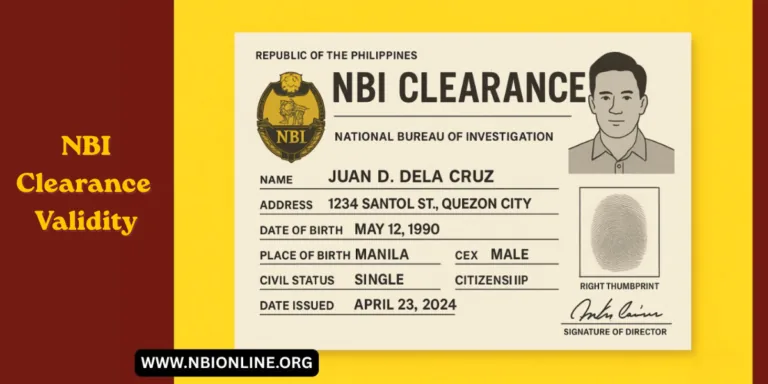
This site does not publish an image of a clearance. Publishing a lookalike is risky, because fake documents are built from exactly that. So this NBI clearance sample is a written walkthrough, not a picture to copy. This website is independent and not affiliated with the NBI.
How Do You Read Each Field on an NBI Clearance Sample?
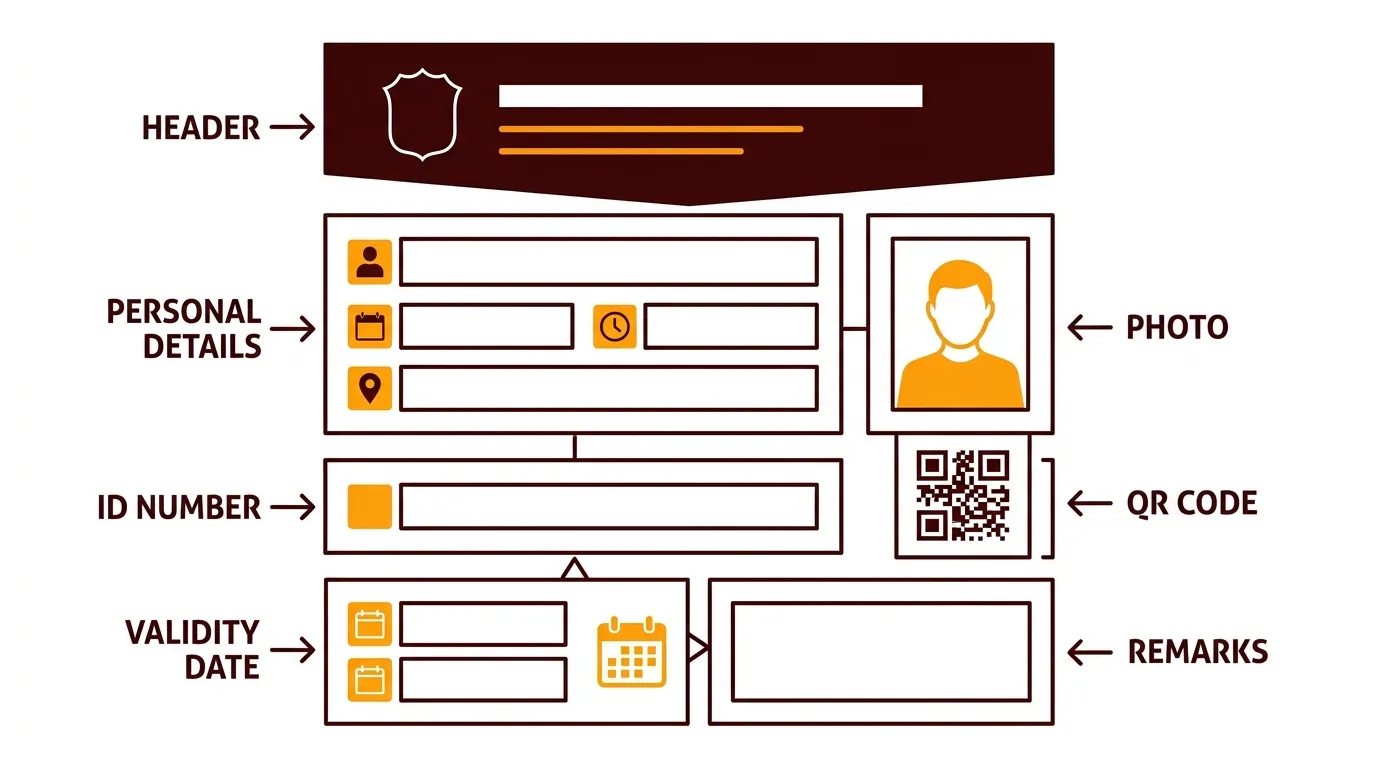
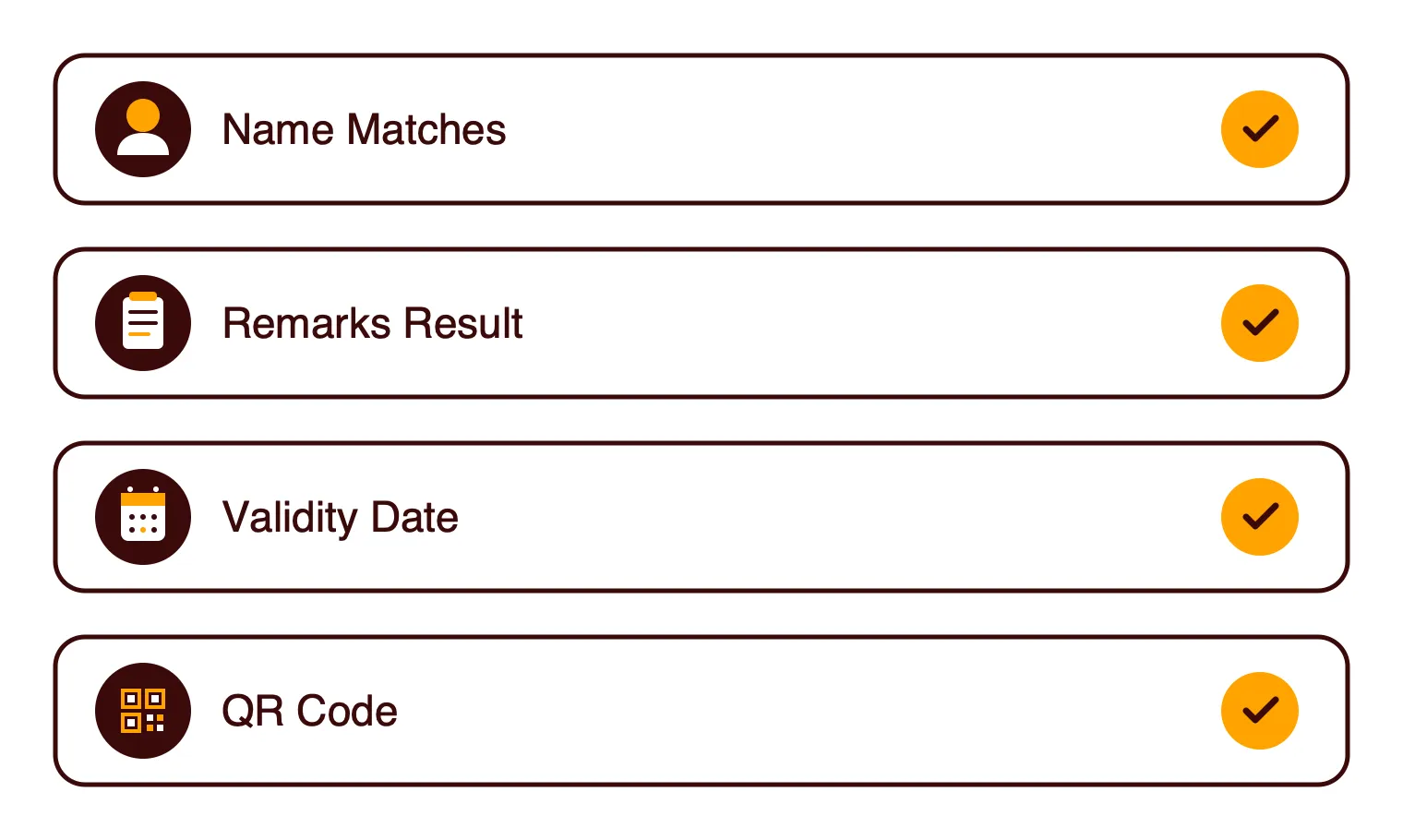
Every clearance groups its information into a few zones. The exact layout and print style can change over time, so treat this NBI clearance sample walkthrough as a reading aid, not a template to match pixel for pixel.
Personal details
This zone carries your full name, date and place of birth, sex, civil status, citizenship and address. These come from the online form you filled in. They must match your valid ID exactly, and a small spelling gap here is the most common reason a clearance gets refused. See our list of valid IDs for NBI clearance before you register.
Photo, signature and thumbmark
Your photo and signature are captured at the clearance center, not uploaded from home. The thumbmark is taken from your fingerprint capture. Nothing in this zone should be handwritten or pasted.
NBI ID number
The NBI ID number is the unique reference tied to your clearance record, and it appears on the printed document. Employers and embassies use it to look up or confirm the record. Keep a private note of it. If you lose it, read how to recover a forgotten NBI clearance number.
Note: The NBI ID number on a clearance is not the same as the reference number you get during online registration. The reference number is only for payment and appointment. Do not mix the two up when you fill in forms.
Purpose (and other printed details)
Purpose, such as local employment or travel abroad, is printed on the clearance. A clearance for one purpose is usually still accepted for another, but some embassies ask for a specific one, so read their instruction sheet.
Remarks
Remarks is the field everybody looks at first. It states the result of the database check.
If you got a hit, our page on NBI hit explains what happens next.
Validity date
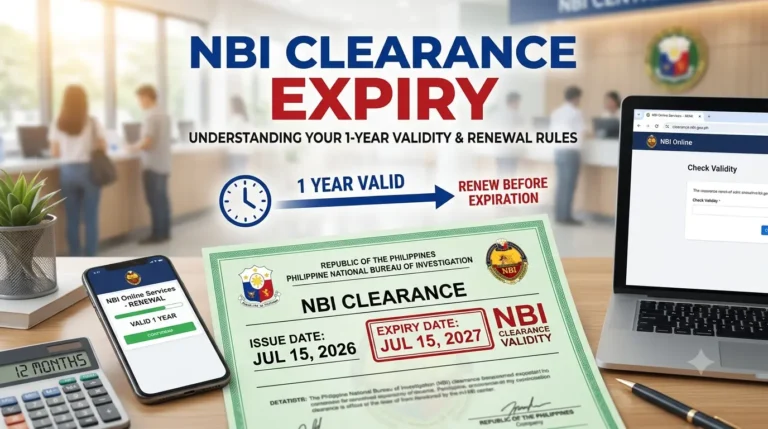
The validity line tells you until when the clearance is accepted. NBI clearances are commonly valid for one year from the date of issue, which is what most employers use as their cut-off. Read the printed date on your own copy, because that is the one that counts. More detail is on our NBI clearance validity page.
QR code and printed security features
The document carries a QR code meant for checking against the NBI’s records, plus other security marks. The exact set of marks can differ between print runs. Do not rely on any one feature you read about online. Rely on the checks in the next section.
Why this matters: A clearance is only worth what the record behind it says. The paper is a pointer to a database entry. That is why matching the printed details to the official record beats judging by how the paper looks.
How Do You Verify an NBI Clearance?
Verification means confirming that the printed clearance matches the NBI’s own record. Below are the steps in the order most people use them.
Method 1: Scan the QR code
- Open the camera or any QR scanner on a phone.
- Point it at the QR code on the clearance.
- Read the web address before you tap. It should belong to the NBI, an official
.gov.phdomain such as the one used by clearance.nbi.gov.ph. - Compare the name, birthdate and ID number on the screen with the printed copy.
If the code will not scan, opens a different domain, or shows a different name, treat the clearance as suspect.
Warning: Never type a password, card number or OTP into a page that opened from a QR code. A real verification page only shows a result. If it asks for money or login details, close it.
Method 2: Check through the official NBI portal
The official platform for NBI clearance services is clearance.nbi.gov.ph. Several secondary sources describe a verification link on the portal where you type an NBI ID number, or scan the QR code, and get a valid or invalid result. The portal page would not load its content for me, so I could not confirm the exact steps from an NBI page. If you need a formal check, use the QR code first, then contact the NBI through its official channels listed on its website.
Method 3: Ask the person to bring the original and check it in person
For HR, the safest step is asking for the original clearance, comparing printed details against a government ID, and keeping the QR check on file. Then, when a doubt remains, ask the applicant to request a fresh copy from a clearance center. See our NBI clearance center page for where.
Verification methods compared at a glance:
Method | Who uses it | Speed | Reliability | Notes |
|---|---|---|---|---|
QR code scan | HR, embassy staff, applicants | Under a minute | High if the domain is official | Match name, birthdate and ID number |
Portal lookup by ID number | Anyone with the number | Minutes | Medium, reported by secondary sources only | Use only the official site |
Original in hand plus ID match | Employers | Minutes | High | Compare all printed details to the ID |
Fresh clearance from applicant | Embassies, strict employers | Days | Highest | Removes all doubt |
So, the QR code scan is the best first check, because it is free, quick and points back to the record itself.
What Do Employers and Embassies Actually Check?
Different readers look for different things.
Employers usually check:
Embassies and immigration offices usually check:
Rules change by country and by visa type. Check the embassy’s own checklist before you print. Our NBI requirements page covers what you bring to get the clearance in the first place.
What Are the Common Mistakes With an NBI Clearance?
Tip: Photograph nothing you do not have to. If you must send a scan, black out your home address line when the recipient does not need it, but keep the QR code and ID number clear.
How Much Does It Cost to Get a Clearance You Can Show?
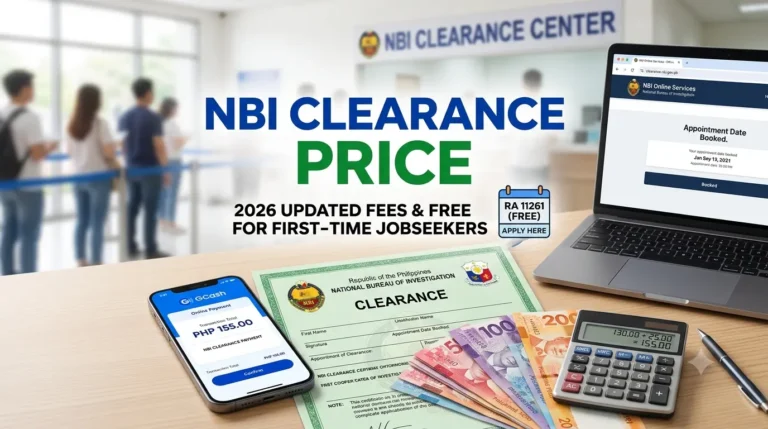
The base fee on our fee page is ₱130, and paying through an e-payment channel adds a small service charge, so expect roughly ₱155 to ₱160 in total. Fees change, so confirm the amount on the portal before you pay. The full breakdown is on our NBI clearance price page.
Tips for Using an NBI Clearance Sample and Your Own Clearance
Check your details on the same day. Compare name, birthdate and address to your ID before you leave the center. Corrections are much easier while you are still there.
Note the validity date immediately. Put the last accepted day in your phone calendar so you are not caught out.
Keep the original flat and clean. Folding across the QR code or thumbmark makes it hard to scan.
Scan your own QR code once. It takes ten seconds and tells you what a verifier will see.
Use the official domain only. If a link, SMS or email claims to verify your clearance from another domain, do not open it.
Ask early what the recipient wants. Some ask for a certified copy, some for the original, some for a digital file.
Do not lend or post your clearance. It holds your address, birthdate and ID number. That is enough for identity fraud.
Renew from your old record when possible. Our NBI clearance renewal page explains the shorter route.
Keep proof of payment. If the release is delayed by a hit, the receipt helps the officer trace your record.
Never accept an NBI clearance sample as a substitute. No employer or embassy accepts one, and presenting a fake can carry legal consequences.
Frequently Asked Questions
Final Thoughts
An NBI clearance sample is easy to read once you know the zones: details, photo, ID number, remarks, validity and QR code. The one habit that matters most is checking the QR code and matching it to the printed details, for yourself and for anyone you receive one from.
If you are applying, complete your details carefully, check them at the center and note the validity date on the day you collect it. If you are an HR reader, scan first, ask questions later.