Color of NBI Clearance for Abroad: Purpose, Apostille & Rules 2026
The color of NBI clearance for abroad is not a separate color at all. NBI clearance is the Philippine police-record certificate issued by the National Bureau of Investigation, and today there is one multi-purpose version for local and overseas use. If you are applying for a visa, a job or immigration abroad, you do not need to hunt for a “special” color, you need the right purpose, a valid original and, for many countries, a DFA apostille.
This website is independent and not affiliated with the NBI. Always confirm final rules on the official portal, clearance.nbi.gov.ph.
Who Needs an NBI Clearance for Abroad Use?
You need one whenever a foreign embassy, immigration office, school or employer asks for a Philippine police clearance. The usual cases are:
Before you start, get these ready: an active account on the NBI portal, one or two valid government IDs (see the list of valid IDs for NBI clearance), and payment. The base clearance fee is around ₱130, and e-payment channels add a small service charge, so your total is usually a little above that. Our NBI clearance price page tracks the current amount.
The full checklist is on our NBI requirements page. Foreign nationals living in the Philippines follow a different route, so check the foreigners’ rules first.
Is There a Special NBI Clearance Color for Overseas Use?
There is no dedicated “abroad” color. Several websites claim the NBI issues a yellow, green or pink clearance if you pick “Travel Abroad.” That claim does not hold up. Those pages even contradict each other, one says yellow, another says green, which is a good sign that nobody is describing a real official rule.
Here is what is actually going on:
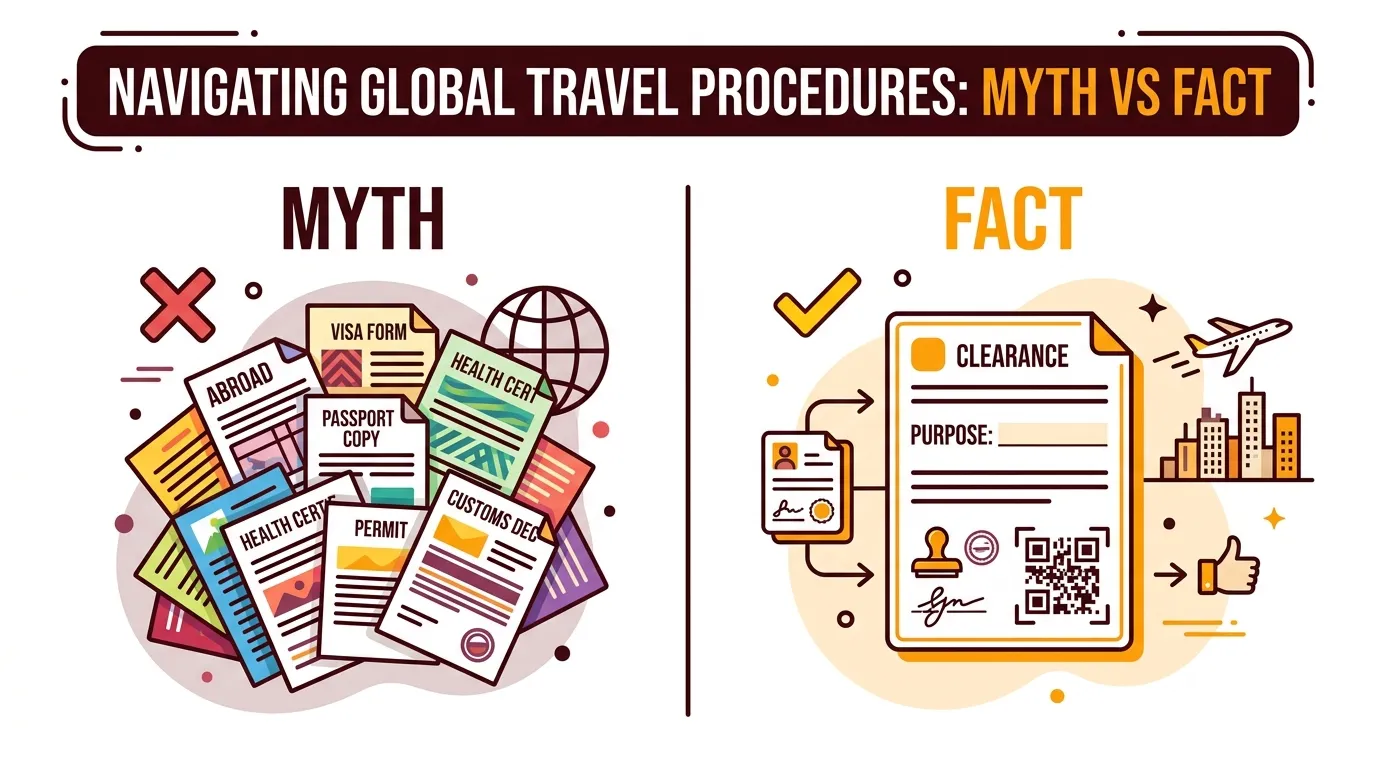
Why this matters: If a broker or “fixer” offers you a special colored NBI clearance for abroad, walk away. Embassies check the QR code and the security features, not the tint of the paper.
What Does the Current NBI Clearance Look Like?
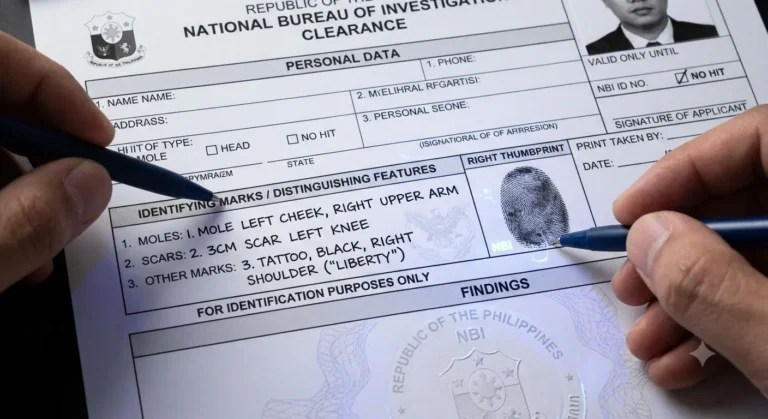
Your printed clearance is a certificate with your photo and personal details, a clearance number, the purpose line, a validity statement and a QR code security seal. Many guides also describe a background watermark and an embossed dry seal on the printed copy.
The design details below are worth knowing before you hand the paper to an embassy.
Which Security Features Should You Check?
Warning: Do not laminate your clearance. Lamination can damage the QR code and security printing, and some offices reject a certificate whose QR no longer scans.
How Do You Get an NBI Clearance for Abroad Use?
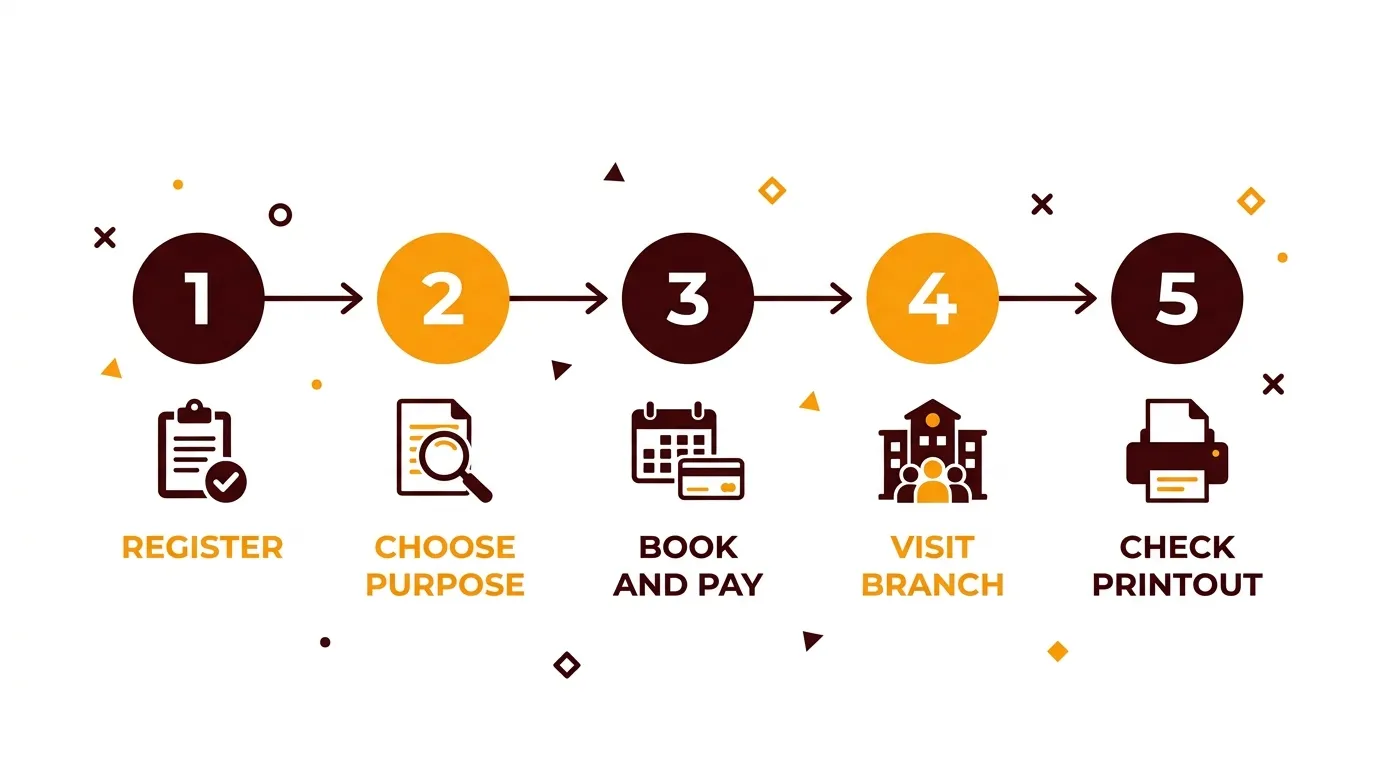
Follow the normal online process, with extra care on the purpose and the personal details.
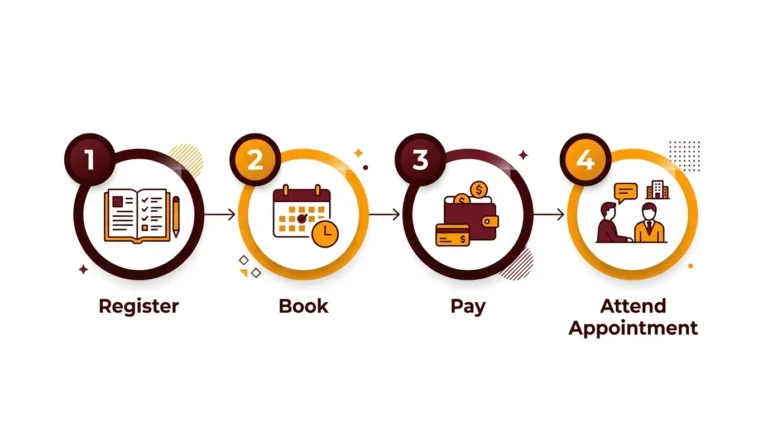
Step 1: Register or Log In
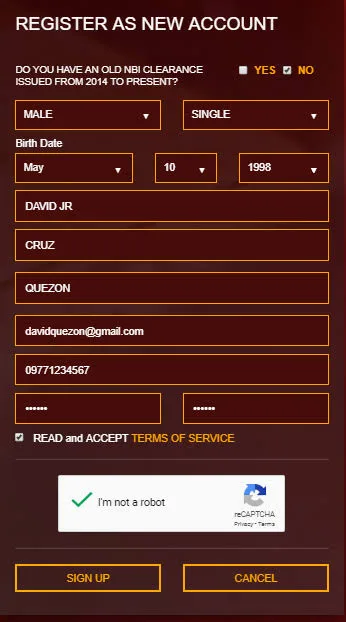
Create an account or log in at clearance.nbi.gov.ph. If you have not registered, follow our NBI registration steps. Stuck at login? See NBI clearance login error.
Step 2: Fill in the Application and Pick the Purpose
Choose the purpose that matches your real situation, such as travel abroad or employment. The portal may also ask for extra details when the purpose is overseas, so check the form. Spell your name exactly as it appears on your passport.
Tip: If the embassy or employer told you which purpose or wording they want, follow that instruction. When unsure, ask them by email before you pay.
Step 3: Book a Slot and Pay
Pick a branch and a date, then pay online. You can pay using GCash or at a store, for example 7-Eleven. Keep the reference number.
Step 4: Visit the NBI Office
Bring the reference number and your valid ID. The NBI staff will take your photo and fingerprints. Check the branch schedule on the NBI portal before you go.
Step 5: Release and Check the Printout
Many applicants get the clearance on the same day. Some get a “hit” and wait longer, see NBI hit for what to expect. Before leaving the counter, check every detail on the printout.
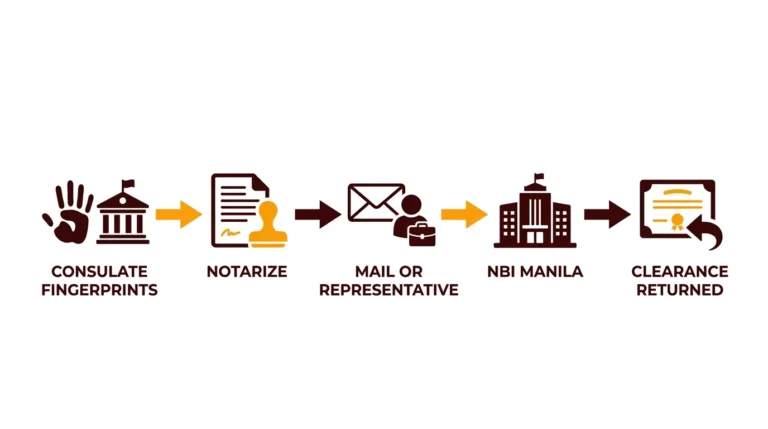
Filipinos who are already abroad cannot do the fingerprinting online. Philippine consulates offer a fingerprint card process for requests to the NBI, and fees and steps vary by post. Check with your nearest consulate.
What Do Embassies and Employers Actually Require?
Requirements are set by the receiving country or employer, not by the NBI. Rules differ, so treat the list below as a pattern rather than a promise.
Why this matters: A wrong date or missing apostille means a second visit to the NBI and DFA, plus extra fees. A five-minute email to the embassy saves that.
What Is a DFA Apostille and Do You Need One?
An apostille is a certificate attached to a Philippine public document by the Department of Foreign Affairs (DFA) so that other member countries accept it without further legalization. The Philippines joined the Apostille Convention in 2019. Since then, the DFA issues apostilles instead of the old “red ribbon” authentication.
Key points for your NBI clearance:
The DFA fee and processing time depend on the service you choose. The DFA schedule of fees is reported at about ₱100 for regular processing (around 5 working days) and about ₱200 for expedited (around 2 working days). Some sites quote shorter times and an extra appointment fee, so check apostille.gov.ph for the current schedule before you go.
Tip: Get the NBI clearance first, then the apostille, and only then submit your visa file. The apostille adds days, so build that time in.
Comparison Table: Which Clearance Setup Do You Need?
Situation | Need an apostille? | Original required? | Typical note |
|---|---|---|---|
Visa or immigration in an Apostille Convention country | Often yes | Yes | Ask the embassy for the maximum age of the clearance |
Overseas employment (agency-processed) | Sometimes | Yes | Your agency will tell you |
Tourist or short visit (if requested) | Usually no | Yes | Embassy instructions win |
Country outside the convention | Maybe, plus legalization | Yes | Embassy legalization may apply |
Local job in the Philippines | No | Yes | Regular clearance, no apostille |
So, the safest route is a fresh original clearance with the correct purpose, plus an apostille only when the destination requires it. It is the cheapest option that avoids a second trip.
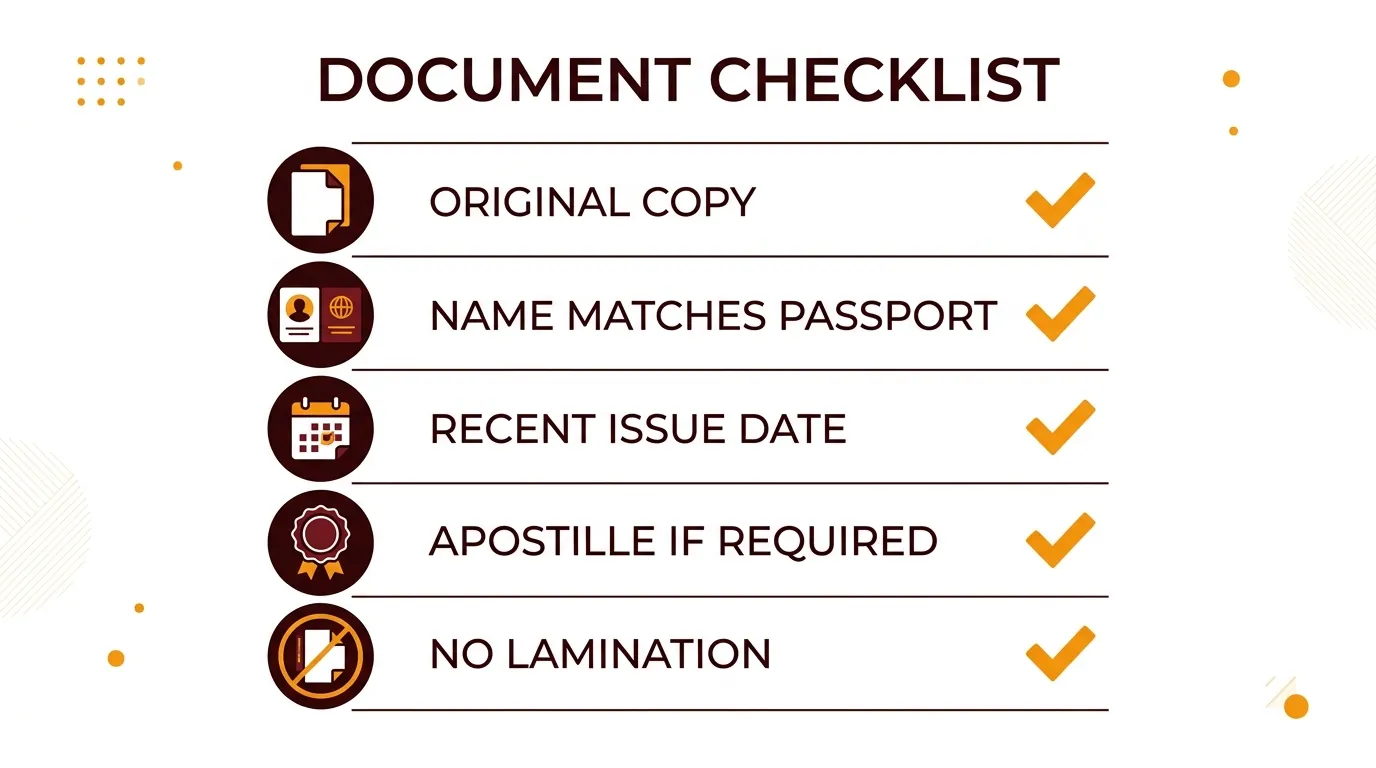
Tips for Getting Your NBI Clearance Accepted Abroad
Frequently Asked Questions
Final Thoughts
The special color is a myth. There is one multi-purpose clearance, and what protects you is a correct purpose, exact personal details, a recent original and, where required, a DFA apostille. Do not pay anyone for a “special color.”
My recommendation: email the embassy or employer first, then apply on the NBI portal, then apostille only if they ask. If you have more questions, start from our homepage to find the step you are stuck on.